

Top 5 Lesbian alternatives to Tinder
✅ Strongly recommended apps
HER
6
Why it’s good:
Built for queer women, non‑binary and trans folks: the site describes it as “the #1 LGBTQIA+ Dating App” for lesbian, bi & queer women. HER+2App Store+2
Strong community features: beyond just dating, it includes interest‑groups, events, etc. HER+1
Large user base (15+ million in 114 countries) which means more chance of finding matches in various locations. HER
Caveats:As with any large app, you may encounter profiles that are less relevant (straight couples, “unicorn” hunters) depending on your filters/settings.
Some users report issues with filtering and irrelevant matches. For example:
“HER has very few actual lesbians… the majority of the users are transgender people, cis men, and couples… I had to delete the app due to the amount of cisgender men interacting with me.” Reddit
So it helps to set your preferences carefully and use filters.
Lex
6
Why it’s good:
Very queer‑centric, focuses on text‑based “personals” style rather than just photos, which can reduce pressure and surface more personality. Wikipedia+2lex.lgbt+2
Good for friendship, community, and dating: the app doesn’t force just “hookup or relationship” framing. lex.lgbt+1
Caveats:Because it’s less traditional / less image‑heavy, it may feel slower or different than swipe‑heavy apps; you’ll need to engage via posts and messages more actively.
Depending on your region, user density may vary (so fewer matches in rural/smaller‑town areas).
Taimi
6
Why it’s good:
Inclusive of the full LGBTQ+ spectrum (lesbian, bi, trans, nonbinary) while offering dating + social‑network features. Quinn+1
Features live streaming and video calls as part of the mix, which may be useful if you prefer more dynamic engagement.
Caveats:It’s not exclusively for queer women, so you’ll want to check your filters and preferences to ensure you’re matched with folks who align with your interests.
Zoe
6
Why it’s good:
Specifically marketed for lesbian, bisexual, and queer women; includes verification features and compatibility tools. PinkNews+1
Large user base (reported millions of users) and more modern UI. LBS
Caveats:As with any niche app, depending on your city/region the pool may be smaller than mainstream apps (so fewer matches or slower interaction).
Some users may prefer a more mainstream app feel — Zoe is more specialized.
Bumble (filtered for women)
6
Why it’s good:
While not lesbian‑exclusive, Bumble allows you to set preferences for women/non‑binary, and has a “women make the first move” dynamic, which many users appreciate. lex.lgbt+1
Because it’s more mainstream, the user base may be larger (so possibly more matches) depending on your location.
Caveats:Because it’s not lesbian‑exclusive, you may still encounter users outside your target (straight men, etc) unless filters are well set.
Some users feel that the ratio of queer women may be lower compared to apps made specifically for them.
📝 A few tips when choosing & using these apps
Set your filters/preferences early: specify your gender/sexuality interests (e.g., women only, non‑binary) so you don’t get unwanted matches.
Location matters: In smaller towns or less populated areas the user pool may be smaller, regardless of which app you pick.
Profile design matters: Apps that emphasize prompts (e.g., Lex, Zoe) tend to surface personality more than just photos, which can lead to better conversations.
Expect varying experiences: One app may work great in your city, another less so. It’s okay to try a few and see what feels best for you.
Be aware of “unicorn hunting” / couple profiles / irrelevant matches: On apps that aren’t exclusively for queer women, you may encounter more of these. Reddit discussions highlight this issue. Reddit+1
Safety first: Use apps with good moderation/verification (like Zoe claims). Meet in public if you choose to meet someone in person.
Don’t put all your eggs in one basket: You might try more than one app to see which vibe you prefer.
Best lesbian films to watch in 2026
🎬 Top 25 Lesbian / WLW Movies
Carol (2015) — A beautifully shot forbidden romance in 1950s New York. Wikipedia+2Womentainment+2
Portrait of a Lady on Fire (2019) — French, slow‑burn, stunning visuals & emotion. Womentainment+1
The Handmaiden (2016) — A twisting psychological thriller of identity & romance. IMDb+1
Blue Is the Warmest Color (2013) — Intense coming‑of‑age love story. Womentainment+1
Bound (1996) — Neo‑noir, crime thriller with a lesbian relationship at its core. Wikipedia+1
But I’m a Cheerleader (1999) — Satirical teen romantic comedy about identity & awakening. Wikipedia+1
Desert Hearts (1985) — One of the earlier (US) positive lesbian romances. Lesbian Love Adv+1
Saving Face (2004) — Cultural/family dynamics plus lesbian romance. IMDb+1
The Watermelon Woman (1996) — A landmark in Black lesbian cinema. IMDb+1
Imagine Me & You (2005) — Light, romantic, accessible lesbian‑rom‑com. IMDb+1
Pariah (2011) — Deep, emotional, rooted in identity and community. IMDb+1
D.E.B.S. (2004) — Fun, action‑spy theme with queer women characters. IMDb+1
Codependent Lesbian Space Alien Seeks Same (2011) — Quirky indie, comedic, sci‑fi twist. Wikipedia
The Incredibly True Adventure of Two Girls in Love (1995) — A sweet early indie about teenage love. Lesbian Love Adv+1
Fire (1996) — Indian film about lesbian love and societal challenges. Lesbian Love Adv
When Night Is Falling (1995) — Intimate, emotional, strong lesbian‑centric story. Lesbian Love Adv
Loving Annabelle (2006) — A more dramatic/controversial school romance setting. Lesbian Love Adv
Tell It to the Bees (2018) — Period drama with lesbian romance in a more conservative era. Reddit
Ammonite (2020) — Historical romance between two women in 19th‑century England. Reddit
The World to Come (2020) — Another period piece with deep emotional weight. Reddit
The Prom (2020) — While more ensemble, has lesbian characters and themes. Reddit
Blue Jean (2022) — More recent, British, with lesbian lead and LGBTQ themes. Reddit
Looking for Her (2022) — Modern French‑language lesbian film. Reddit
Below Her Mouth (2016) — Explicit, intense lesbian romance. Reddit
Love Lies Bleeding (2024) — Very recent, bold queer cinema with lesbian leads. Reddit
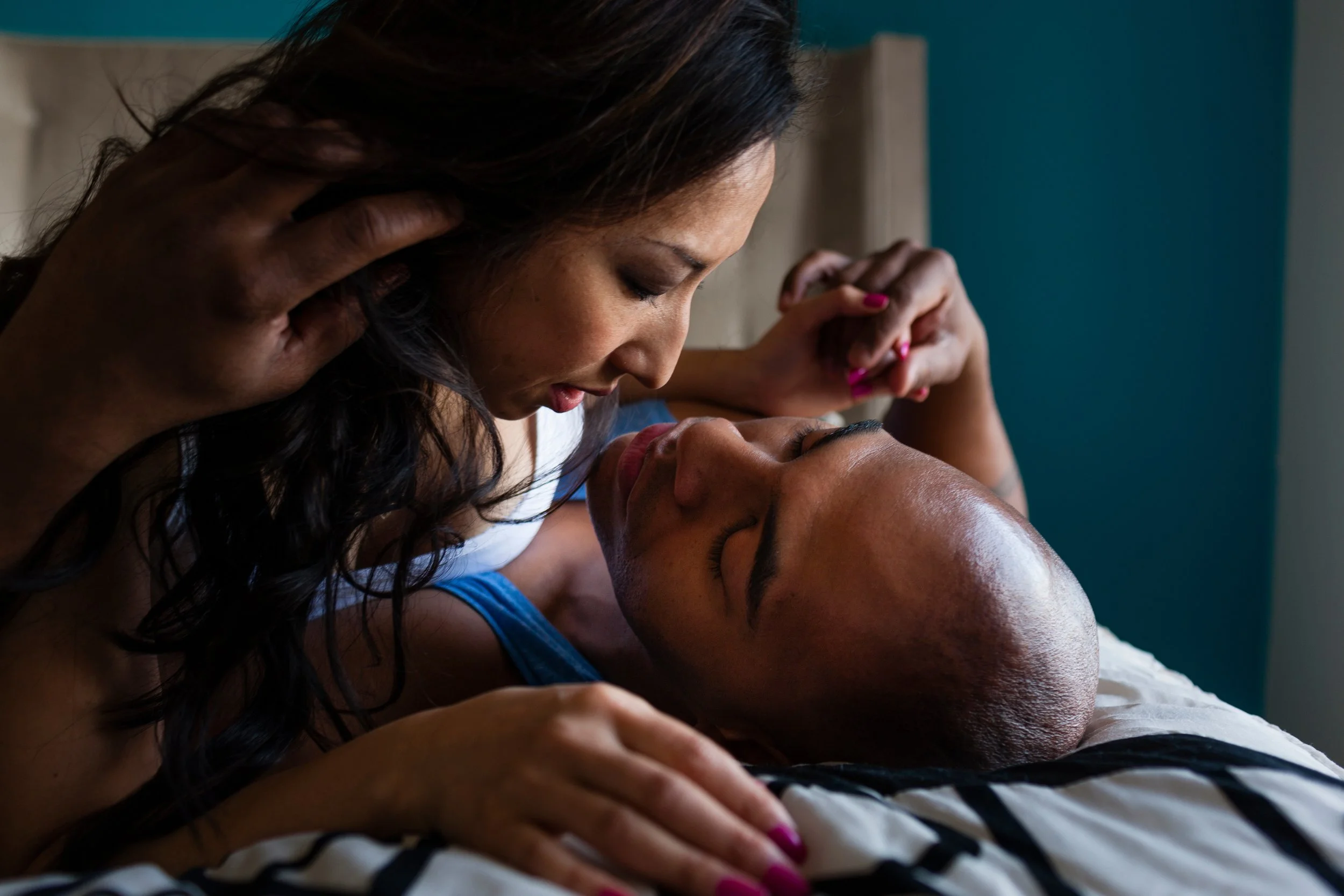
Best lesbian Hookup app for sapphics, non-binary and trans women in 2026
Lex — great for queer women, non‑binary folks, focusing more on personality and community rather than just swipes. lex.lgbt+1
Popular podcasts about lesbian relationships
Here are five lesbian- and queer-dating-focused podcasts that might resonate with you:
Dateable AF – Hosted by Sarah Kyle & Rachel Howell, this podcast is all about “women who date women” (and all the letters you vibe with) navigating queer dating, from ghosting to soft-launches. dateableaf.com+1
Why it’s good: It’s specifically geared toward WLW (women-loving-women) dating, with humour and honesty.
Tip: Listen to episodes on common patterns (like communication, boundaries) and see what applies to your own vibe.
Queer Women Rising® with Sophia Spallino – Hosted by matchmaker Sophia Spallino, this one offers advice and stories about lesbian dating, love, and the sometimes drama-filled ride to commitment. iHeart+1
Why it’s good: It has a “dating to commitment” lens, which can be great if you’re thinking long-term.
Tip: If you’re in or heading toward a more serious phase of dating, check out the episodes about aligning values + future goals.
The Lesbian Love Podcast – Hosted by Pamela Gort (a lesbian-relationship coach), this podcast explores the “world of lesbian love” including dating frustrations, culture, sex, and conscious relationships. Apple Podcasts
Why it’s good: It goes beyond just the “first date” stage into the deeper relational terrain.
Tip: If you find yourself past the small talk and want something more reflective, this could be a strong pick.
Love’s A Pitch: A Queer Dating Podcast – Hosted by comedian Carolyn Bergier, this one brings a lighter touch: each guest pitches themselves as a “catch” and they discuss desire, connection, and queer dating in the LGBTQ community. Apple Podcasts+1
Why it’s good: Fun and accessible, especially if you want something that mixes entertainment + insight.
Tip: Start with an episode where you recognise the guest’s situation (maybe similar to yours) to feel more connected.
The Lesbian Dating App Disasters Podcast – Hosted by Bréon LaDawn, focusing on experiences of online dating as a Black lesbian in Detroit. It’s more story-based about the “disasters” and real ups & downs of queer dating apps. Apple Podcasts+1
Why it’s good: It offers relatability and humour, especially around the messy side of dating apps and navigating queerness + intersections.
Tip: Even if you’re not using apps, the stories can help you feel less alone and pick up cautionary/insightful lessons.

DRAG IS NOT A CRIME
Drag is a form of performance art that has been around for centuries, and it has gained increasing popularity in recent years. However, despite the growing acceptance of drag in mainstream culture, there are still many people who view it as something to be ashamed of or even as a crime. This attitude is not only wrong but also harmful to the people who participate in drag and the LGBTQ+ community as a whole. In this blog, we will explore why drag is not a crime and why it should be celebrated as a legitimate art form.
First and foremost, it is important to understand that drag is a form of self-expression. Just like any other art form, it allows individuals to explore their creativity and share their unique perspectives with the world. Drag performers use their costumes, makeup, and performances to express their identity, challenge societal norms, and entertain their audiences. It takes skill, practice, and dedication to create a successful drag performance, and the people who participate in this art form deserve respect and admiration for their hard work.
Furthermore, drag has a rich history within the LGBTQ+ community. For many years, drag was one of the only ways for queer people to express themselves and find a sense of community. In fact, the Stonewall riots, which are considered to be the birth of the modern LGBTQ+ rights movement, were led in part by drag queens who were tired of being marginalized and mistreated by the police. By embracing and celebrating drag, we honor the contributions that queer people have made to our culture and society.
Despite its many positive aspects, drag is still often viewed as taboo or even immoral. This attitude stems from a deeply ingrained prejudice against LGBTQ+ people and a lack of understanding about what drag actually entails. People who participate in drag are often subjected to discrimination, harassment, and violence simply because of who they are and what they do. This is unacceptable, and we must work to create a more inclusive and accepting society where everyone can be free to express themselves without fear of persecution.
In conclusion, drag is not a crime – it is a legitimate art form that deserves to be celebrated and respected. By embracing drag and the LGBTQ+ community, we can create a more diverse and vibrant society that values self-expression and individuality. It is time to let go of our prejudices and misconceptions about drag and instead focus on the creativity, skill, and passion that it brings to our world.

The Disappearance of Lesbian Bars:
For many years, lesbian bars have been a safe haven for the LGBTQ+ community, particularly for women who love women. However, in recent years, the number of lesbian bars has been declining rapidly, leaving many questioning why these spaces are disappearing.
One of the primary reasons for the decline of lesbian bars is economic pressures. Many lesbian bars are small businesses that struggle to stay afloat due to rising rent, licensing fees, and other costs associated with running a bar. Additionally, with the rise of online dating and social media, many queer women are no longer relying on bars as a primary way to meet potential partners or connect with the LGBTQ+ community.
Another factor behind the decline of lesbian bars is changing social attitudes towards the LGBTQ+ community. As more people become accepting of diverse sexualities and genders, many individuals may no longer feel the need for specifically queer spaces. Additionally, some argue that the emergence of mainstream LGBTQ+ events, such as Pride festivals, has reduced the need for dedicated queer spaces.
Another contributing factor to the decline of lesbian bars is the ongoing gentrification of urban areas. As cities become increasingly expensive, many lesbian bars are being priced out of their traditional neighborhoods. This can lead to a loss of community, as the displacement of LGBTQ+ businesses and residents can erode the sense of belonging and safety that queer people once found in these neighborhoods.
Finally, it's worth noting that the decline of lesbian bars is not unique to the LGBTQ+ community. Many types of bars and social spaces, including music venues and dive bars, have also been disappearing due to similar economic pressures and changing social attitudes.
In conclusion, the disappearance of lesbian bars is a complex issue that involves a variety of factors, from economic pressures to changing social attitudes. However, it is important to acknowledge the critical role that these spaces have played in the LGBTQ+ community and to continue advocating for their survival. By supporting queer-owned businesses and advocating for LGBTQ+ rights, we can work